
By Service Socket
Your front desk never clocks out
How service businesses answer every call and chat with one Customer Agent, book against real availability, and keep context when a human takes over.
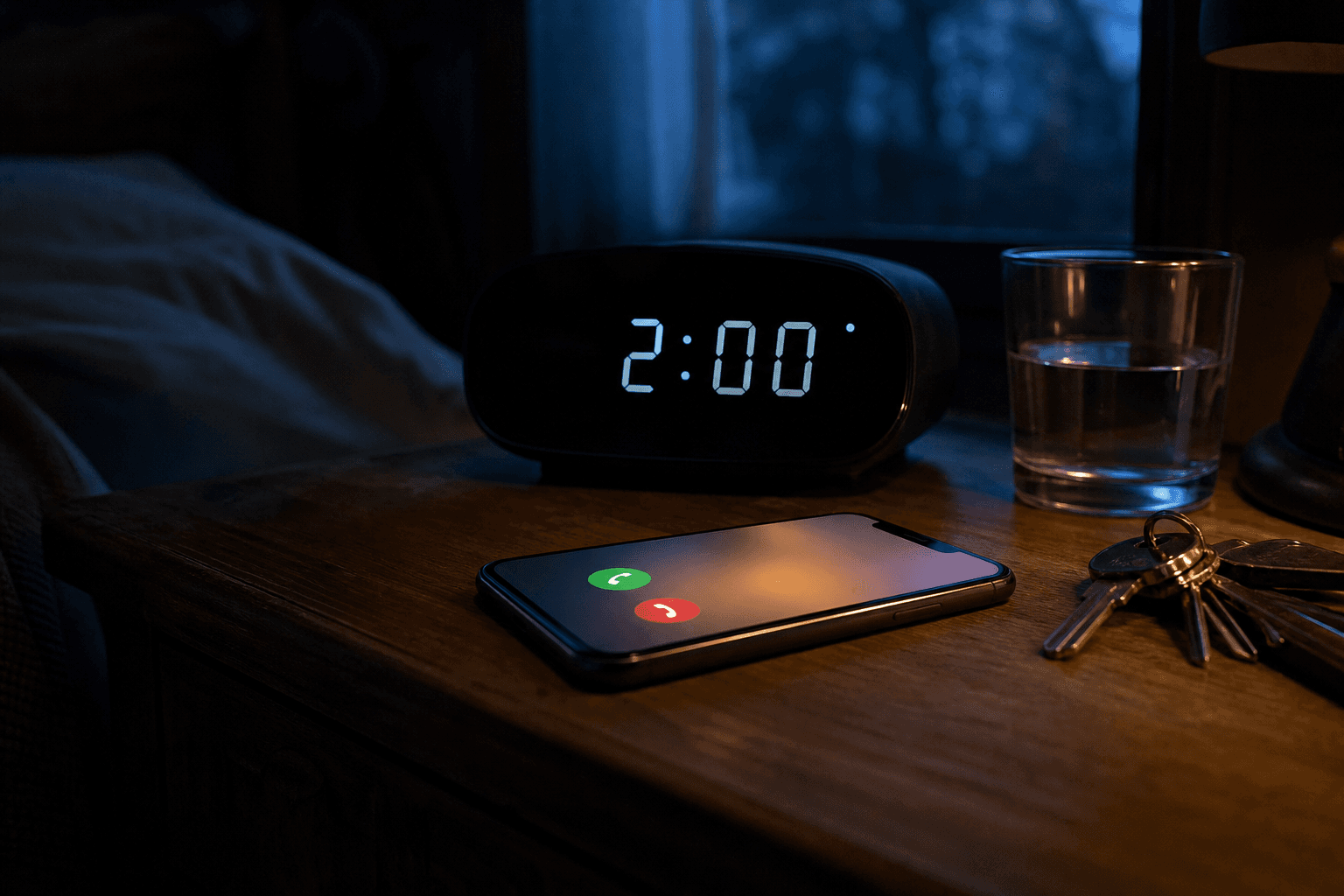
After 5 p.m., your best technician is still a great technician. Your front desk is a voicemail box. The caller who needed a water heater tonight will not leave three messages. They will call the next company that picks up.
Service Socket is an AI team for service businesses, built around a Customer Agent that answers voice and chat with the same context. It books when you have capacity. It does not pretend to replace your crew. It stops the leak at the door.
What "missed" actually costs
A missed call is easy to shrug off until you price it. One emergency drain clear, one no-heat night, one commercial contract inquiry. Those jobs fund weeks of payroll. They disappear quietly when nobody is there to qualify and book.
Website chat fails the same way. A visitor asks whether you service their zip code, gets a generic form, and leaves. There was never a conversation, so there is nothing to follow up.
Service Socket closes both channels with one agent identity.
Answer with shared context
Inbound voice on a dedicated line answers in about half a second. The same Customer Agent powers embeddable website chat. What someone said on the phone is not lost when they continue on the site later.
Grounding comes from your knowledge base and service catalog, so the agent talks about the work you actually sell (field, shop, or hybrid) instead of inventing policies. Configuration lives in your service model, not in a script someone forgot to update.
Book against the calendar you run
Availability-aware booking matters more than clever dialogue. An agent that promises Tuesday when the board is full creates angry customers and a scheduler cleanup job.
Service Socket books against real openings. The outcome you want is simple: when the call ends, there is a time on the calendar and a lead record that is not a napkin.
Starter vs Pro, without the fog
Starter answers and books. That alone fixes after-hours and lunch-rush gaps.
Pro adds the rest of the lifecycle when volume justifies it: outbound SMS follow-up, AI outbound calls, dispatch suggestions, a schedule board, and a Back Office Agent for internal work. Background monitoring and reports help you see what the agents handled overnight. Integrations (Google Calendar on the way in; Slack, Zapier, WhatsApp, and CRM options on Pro) meet the tools you already use.
Quotes, invoicing, and online payments are available from Starter upward so a booked job can become paid work without a separate stack.
A Tuesday that used to break
Imagine a two-truck shop. Both techs are on jobs. The phone rings with a same-day lockout. Voicemail catches it. The owner sees the message at 7:40 p.m. The customer already hired someone else.
With Service Socket, the Customer Agent takes the call, checks the rules you set, offers the next real slot (or an emergency path you defined), and writes the lead cleanly. In the morning you assign from a board that already knows the job exists. No heroics. No "who was supposed to call them back?"
Humans still own judgment
When a call needs a person, handoff should carry context: what was asked, what was booked, what the customer already heard. Shared context is the difference between an AI receptionist and a black hole that forces the customer to restart.
Your team stays in charge of pricing exceptions, edge-case diagnostics, and relationship work. The agent owns speed and coverage.
Put coverage where the leak is
If after-hours is the wound, start there. If web chat converts poorly, put the same agent on the site. If booked leads still go cold, move to Pro follow-up once Answer and Book are solid.
See pricing or sign up and give your front desk hours that match your customers' emergencies.